
Your chimney cap is working harder than you might think, especially here in Plainview where wind-driven rain and moisture can corrode even well-maintained equipment. When a chimney cap fails or deteriorates, homeowners often don't realize the problem until significant damage has already occurred inside the flue and surrounding masonry. At DME Maintenance, we've been serving Plainview and Nassau County, NY homeowners since 2001, and chimney cap replacement has become one of our most frequently requested services—not because the caps themselves cost a lot, but because ignoring them can lead to damage down the line.
A quality chimney cap is your first line of defense against water infiltration, animal intrusion, wind-driven debris, and weather deterioration that can compromise your entire chimney structure. The typical homes in Plainview were built between the 1950s and 1980s, meaning many still rely on oil heat systems with masonry chimneys that were never capped at installation or have caps that are now decades old and failing. Whether your Plainview home has a working fireplace, a dormant chimney, or an active heating system venting through your flue, a functional cap should be considered essential maintenance, not optional. We work year-round replacing caps, but we see a surge in calls after winter storms and autumn wind events when damage becomes visible or when homeowners finally address problems they've been putting off.
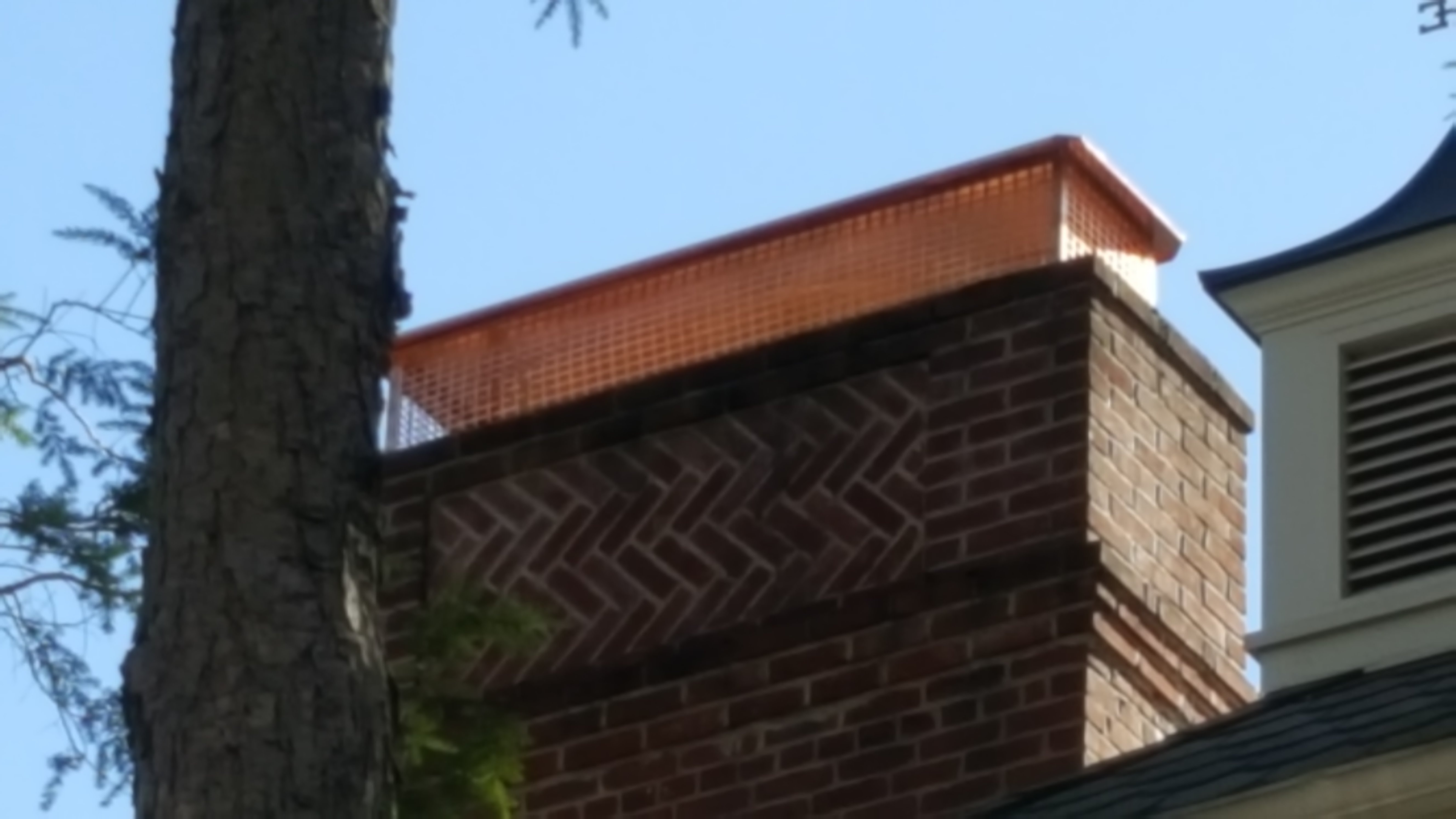
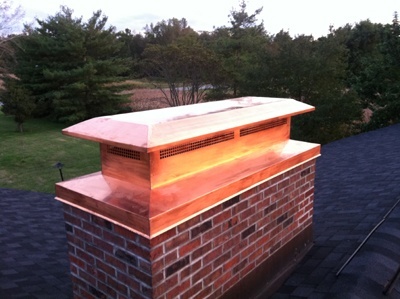
The construction and material of your chimney cap directly determines how long it will protect your system and how effectively it prevents the various threats that Plainview weather throws at it. Modern chimney caps are engineered with specific purposes: the mesh screening keeps animals and debris out while allowing smoke and gases to exit freely, the sloped metal crown sheds water away from the flue opening, and the overall design creates an air gap that prevents rain from being forced down into your chimney during windy conditions. Many older Plainview homes have cast-in-place concrete caps that were poured directly onto the flue opening—a method that looked permanent but actually creates significant problems.
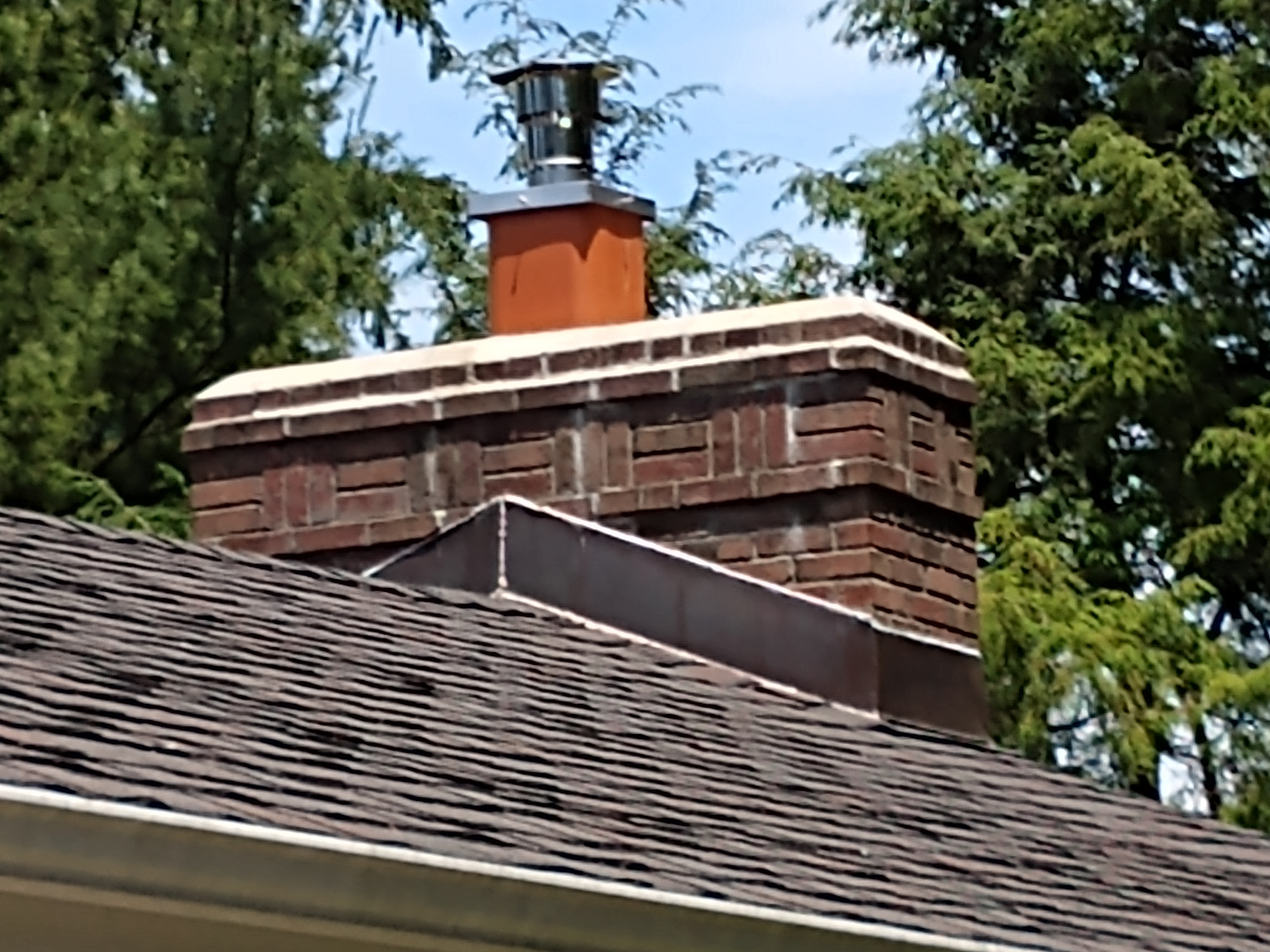
Concrete cracks, spalls, and deteriorates under freeze-thaw cycles that are common here, especially during cold weather. We also encounter caps that are simply too small, improperly designed, or installed at angles that funnel water directly into the flue instead of away from it. The homes throughout Plainview and neighboring communities in Nassau County experience heavy wind exposure, particularly in fall and winter, and an undersized or poorly secured cap can actually increase your risk of wind-driven water penetration rather than preventing it. We've replaced caps made from galvanized steel that has rusted through, stainless steel options that were undersized for the flue opening, and copper installations that, while beautiful, weren't properly maintained and eventually corroded.
The right cap for your Plainview home depends on your specific chimney dimensions, your local wind exposure, your heating system requirements, and the aesthetic preferences of your home. DME Maintenance takes time to assess your current cap condition and recommend a replacement that will actually serve your home's needs for the next 15 to 20 years rather than merely looking the part.
Animal entry through uncapped or damaged chimneys represents one of the most common—and disturbing—problems we address in Plainview homes, particularly as wildlife increasingly adapts to suburban environments. Raccoons, squirrels, birds, bats, and other creatures recognize a chimney as a perfect denning site: it's sheltered, warm during cold months, accessible, and often undisturbed by homeowners. Once inside, these animals cause damage that extends far beyond the chimney itself. We've responded to emergency calls from Plainview residents who discovered squirrels in their living rooms, raccoon families nesting in their fireboxes, or birds that died in the flue and created odor problems that permeated the entire house.
The damage includes soiled insulation, chewed woodwork, accumulated feces and urine that create health hazards, debris blockages that prevent proper venting, and sometimes damage to the damper mechanism that costs thousands to repair. A proper chimney cap with intact mesh screening makes animal entry virtually impossible, these animals cannot chew through quality metal mesh, and they cannot find handholds to climb a smooth cap design. We've replaced caps for Plainview homeowners after animal invasions and seen the relief on their faces when we explain that a functioning cap would have prevented the entire situation. The animals aren't being malicious; they're simply following their instincts to find shelter. But the expense and inconvenience to you and your family is completely avoidable through proper cap installation and maintenance.
Water damage from a failed or missing chimney cap develops slowly at first, then accelerates into serious structural problems that affect your home's foundation and interior walls. When rain enters your flue directly—which happens constantly in Plainview during nor'easters, coastal storms, and even routine winter weather—it soaks the interior chimney structure, freezes during cold nights, and gradually breaks apart the mortar joints that hold your brick and stone together. Over months and years, this moisture migrates through the masonry into the surrounding walls, where it promotes mold growth, rots wood framing, and can eventually create interior water damage that appears in walls and ceilings far from the chimney itself.
We've inspected Plainview homes where water damage from an uncapped chimney required extensive interior restoration, new drywall, new insulation, and even structural repairs to wooden beams that had begun to rot. The sad part is that all of this damage was completely preventable with a simple cap replacement that would have cost a fraction of the restoration bill. Nassau County's high water table and proximity to the Long Island Sound means our soil is already moisture-rich, and homes with compromised chimneys struggle to stay dry during seasonal rains and spring snowmelt. Plainview residents who heat with oil systems have particular reason to ensure their chimneys are protected, because even occasional water entry into a masonry chimney can degrade the chimney liner and affect your heating system's ability to draft properly.
We've found that many Plainview homeowners don't connect slow interior moisture problems to their chimney until we point it out during an inspection. The water damage from a failed cap isn't dramatic or obvious, it's insidious and cumulative, which makes prevention through proper cap maintenance actually a smart financial decision rather than just a precaution.
Debris accumulation and wind damage represent seasonal challenges that Plainview residents experience differently depending on where they live in relation to our local geography and tree coverage. Homes in areas with mature trees nearby are particularly vulnerable to autumn leaf and branch accumulation in uncapped chimneys, where debris creates blockages that prevent proper venting and can trap moisture and animal nesting materials. The wind exposure in Plainview varies by neighborhood—homes closer to the north shore facing the Long Island Sound experience stronger wind pressures than inland locations, which means cap strength and secure installation become critical factors in whether your cap survives seasonal storms.
We respond to calls from Plainview homeowners after November and December wind events who discover that their chimney cap has been damaged, dislodged, or completely blown off by gusts that reach 40 to 60 miles per hour. A properly designed cap includes structural elements that prevent wind uplift, secure fastening to the flue structure, and a shape that actually reduces wind turbulence rather than creating it. During nor'easters and coastal storms, we've seen substandard caps that weren't properly secured simply disappear—leaving the chimney completely exposed until a replacement can be installed. The homes throughout Plainview deserve caps that are engineered for our specific coastal wind conditions, not generic designs that might work in inland climates.
The embers and airborne debris from your fireplace or heating system are themselves a fire hazard if they escape through an uncapped chimney, a concern particularly important during fall and winter when neighbors' leaf burning and your own heating system create abundant particulate matter. A quality cap stops this material before it escapes, protecting your roof and neighboring properties while also ensuring that your heating system performs at its intended efficiency. Plainview's diverse housing stock and variable tree coverage means we assess each cap replacement individually rather than assuming one standard solution works for all Plainview homeowners.
Our service area covers all of Plainview and the neighboring communities. Homeowners across Plainview have relied on DME Maintenance, a local Long Island-based chimney company, for annual chimney service for over two decades.
Your chimney cap is one of those home systems that works invisibly until it fails, at which point the consequences become very visible and require significant repair. If you've noticed deterioration on your current cap, discovered animals in your chimney, experienced water stains near your fireplace, or simply want to know whether your Plainview home's cap is adequate for our local weather conditions, DME Maintenance is ready to help. We've been serving Plainview and Nassau County, NY residents since 2001, and we've seen every type of chimney cap failure and weather damage that our coastal location can inflict. We'll inspect your chimney at no obligation, discuss what we find in clear terms, and explain your options for replacement without pressure or sales tactics.
Don't let another storm season pass with an uncertain chimney cap—contact DME Maintenance today at 516-690-7471 to schedule your inspection and protect your home before the next damaging weather event arrives. Your Plainview home deserves the professional attention of a licensed team that understands local weather challenges and knows what actually works in Nassau County. Call 516-690-7471 now and let's make sure your chimney is ready for whatever this season brings.